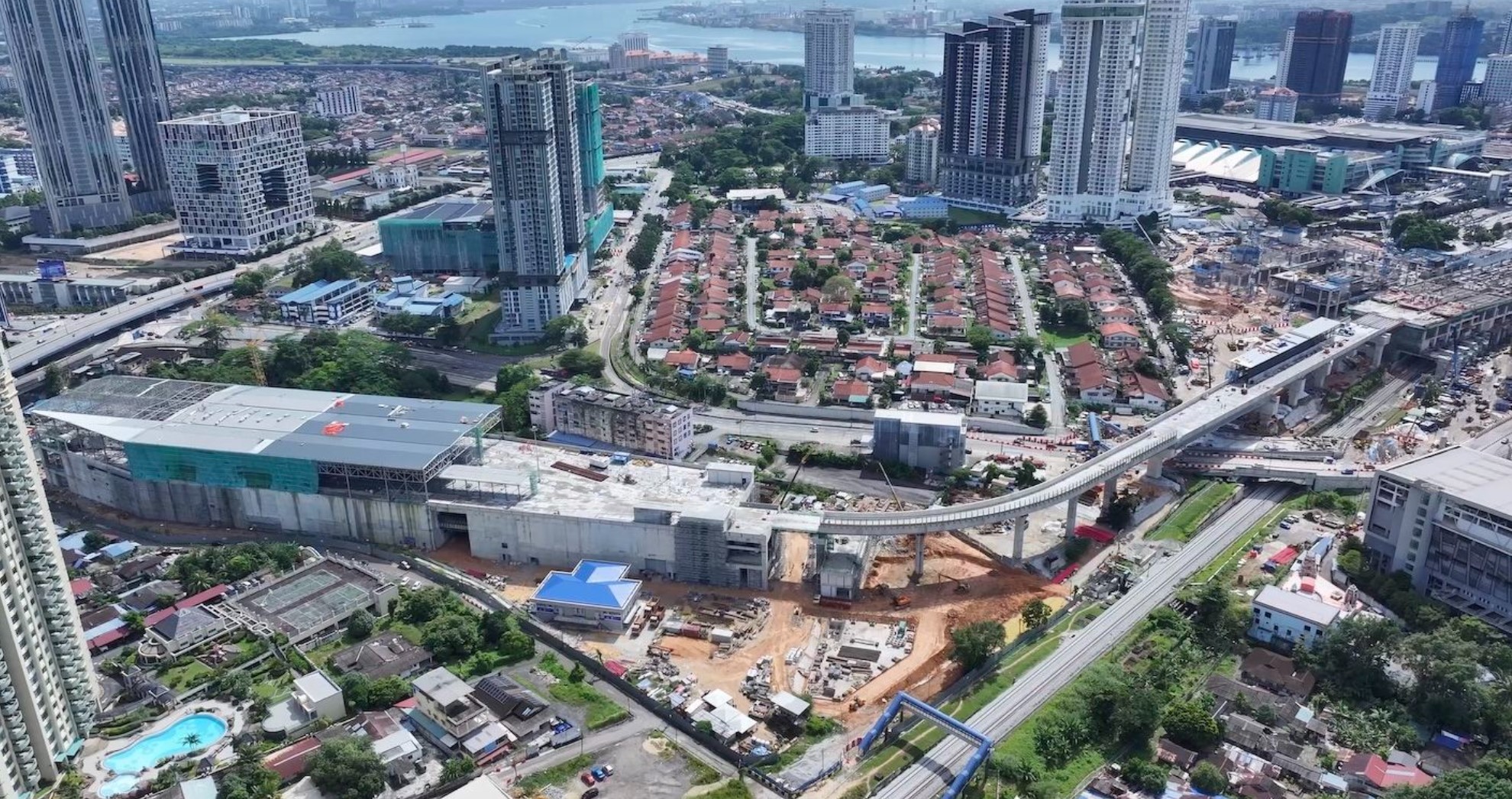

When RTS starts, I expect many Singaporean buyers to look first at homes near RTS or CIQ rather than the Second Link. The reason is not that the Second Link is bad. It is that a central-JB high-rise can require fewer changes to a familiar public-transport, walkable-city and apartment-living routine.
This is a lifestyle view, not a claim that every RTS-area condo is a good buy or that all Singaporeans will choose it. A well-priced, well-managed Second Link home can still be the right decision. For the related location distinction, read Walk to CIQ vs Walk to RTS. The point here is to identify which broader lifestyle asks you to change less of the life you already enjoy.
Why the RTS area can feel more familiar to many Singaporeans
Many Singaporeans are used to a daily routine built around rail, lifts, sheltered walks, food, shops and high-rise living. A central-JB condo near Bukit Chagar is not Singapore, and buyers should not expect it to be. But it can reduce the number of lifestyle changes required after crossing the border.
Instead of driving out for every meal, errand or meeting, the buyer can choose a location where city-centre services are within a practical walk or a short ride. City Square, Komtar JBCC and other central-JB malls give residents more everyday choices than a purely residential area. Check the exact route from the selected building yourself: a map distance does not show crossings, rain, heat, construction or the time needed to get downstairs.
High-rise living is not a compromise for every buyer
Some buyers see a Johor move as a reason to buy a landed home. Others are already comfortable with apartment living and do not want the extra driving, cleaning, security decisions and upkeep that can come with a larger house.
A newer condominium may offer facilities such as a pool, gym, security and shared spaces. For a buyer who wants a simple weekend base or a low-effort own-stay home, this can be part of the appeal. Facilities do not remove the need to check maintenance fees, management quality, lift waiting time, density and the actual condition of the building.
What changes when you choose the Second Link side
Homes nearer the Second Link often suit a different rhythm. Daily life is more likely to involve driving: to shops, schools, food, activities and the border. That may be completely reasonable for buyers who already drive, value privacy or want a quieter township environment.
It may also be more practical for a person whose work or family routine is in western Singapore. But a buyer who wants to cross at the Causeway or use the RTS should not assume that a Second Link home has the same convenience. The door-to-door journey can include a meaningful drive before reaching immigration, and traffic conditions can change the experience. Read the Second Link location comparison if you are considering that side of Johor.
RTS-area high-rise versus Second Link living
| Question | RTS-area high-rise in central JB | Second Link area |
|---|---|---|
| Daily movement | May suit buyers who prefer walking, rail and short city-centre trips. | Usually more car-dependent for daily errands and border travel. |
| Home type | Often a high-rise condominium with shared facilities. | Can offer a wider choice of township and landed-style living, depending on the area. |
| Cross-border fit | Relevant to buyers whose routine can use Bukit Chagar RTS and central JB. | May suit people whose work or regular destinations are nearer western Singapore. |
| Nearby life | More likely to prioritise malls, food and services in a compact city setting. | More likely to prioritise neighbourhood space, driving and a slower pace. |
| Main trade-off | Higher density, smaller private space and a possible location premium. | More driving, a less walkable routine and a longer trip if your destination is central or eastern Singapore. |
Who may genuinely prefer the RTS area?
- A Singaporean who wants a weekend or own-stay base without changing to a fully car-dependent lifestyle.
- A buyer who is already comfortable in a high-rise home and values facilities over a larger private plot.
- Someone who enjoys being near food, malls and everyday services.
- A frequent cross-border traveller whose actual destination and schedule work with Bukit Chagar RTS.
- A buyer who is prepared to accept density, management fees and a smaller home in exchange for location.
Who may be better served by the Second Link side?
- A household with cars that is comfortable driving for most daily needs.
- Someone working in or regularly travelling to western Singapore, where the Second Link may fit the journey better.
- A buyer who places more value on a quieter township or larger home than a walkable city-centre routine.
- A family whose school, work and social routine already centres on Iskandar Puteri or nearby areas.
Do not choose only because the price looks lower
New central-JB condos can sometimes be marketed below a round-number budget, while a rental search may show two- or three-bedroom homes in a range that appears manageable. Those figures change by project, furnishing, unit size, view, tenancy terms and current supply. They should be checked against live listings and actual transactions before you make a decision.
The more useful question is: will this home make your life easier often enough to justify its total monthly and purchase cost? Include management fees, furnishing, parking, transport, vacancy risk if you rent it out, and the price of the lifestyle you are choosing.
Before deciding, test these two routines
- From the chosen RTS-area building, walk the full route you would use for groceries, meals and Bukit Chagar.
- From the chosen Second Link home, drive the real route to your usual border crossing at the time you expect to travel.
- Try both journeys on a weekday and a weekend if possible.
- Ask what you would do without a car, during heavy rain, or when relatives visit.
- Compare the total cost and the daily routine, not only the advertised price per square foot.
Sam's view
For many Singaporeans who want to experience Johor without feeling that every errand requires a car, the RTS area deserves serious consideration. The combination of high-rise living, planned rail access and central-JB commercial life can feel more familiar than a distant, car-first location. The RTS should strengthen a good property choice, not become the only reason to buy; see also what RTS testing means for property buyers.
But this does not make it the correct answer for every Singaporean. A buyer who wants more space, has a car, works in western Singapore or genuinely enjoys township living may find the Second Link side more suitable. The honest decision is about the lifestyle you will repeat every week, not the most attractive marketing story.
Frequently Asked Questions
Is RTS or the Second Link better for Singaporean buyers?
Neither is better for everyone. RTS-area high-rise living may suit buyers who prefer public transport, walkable services and central-JB life. The Second Link may suit car owners, buyers who want more space, and people whose regular destinations are in western Singapore.
Is a condo near RTS suitable for a Singaporean who is used to high-rise living?
It can be. A high-rise building with facilities and nearby food, shopping and transport can feel more familiar than a car-dependent location. Buyers should still assess the building density, management, maintenance fees and real walking route.
Do I need a car if I live near RTS in Johor Bahru?
Not necessarily for every trip, but it depends on the exact building and lifestyle. Test walking routes, nearby services, ride-hailing availability and the journey to places you use regularly before deciding.
Prepared from Sam Tee's buyer observations. Confirm RTS operating arrangements, each building's route and facilities, current prices, rents, mall tenants and live transport conditions before making a purchase decision. This article is general information, not legal, tax, financial or investment advice.